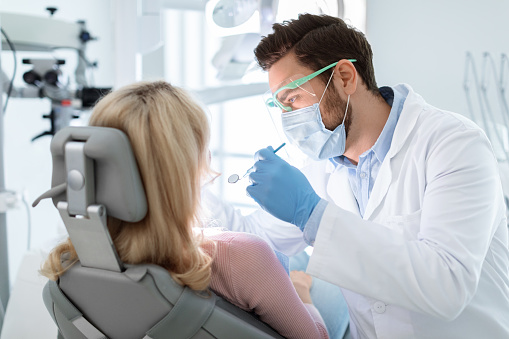
• Importance of Proper Oral Hygiene

    When it comes to maintaining oral hygiene, there are some important tips to keep in mind. Proper oral hygiene will help prevent dental disease and prevent bad breath. It's also important to regularly visit a dentist for checkups and cleanings. Aside from regular dental checkups, you should also practice good oral hygiene at home.


    A dentist at this link can help repair cavities, cracks and holes in your teeth by placing fillings. These are made of a composite material or amalgam. Crowns are a good option for larger areas of your tooth or if you've broken a tooth. Crowns come in two different types: implant crowns, which fit over dental implants, and regular crowns, which fit over natural teeth.


    Infections caused by poor oral hygiene can affect other parts of the body. For example, periodontal disease can break down the bone that supports the teeth and can lead to a number of other complications. Similarly, an untreated tooth abscess can spread to other parts of the head and can lead to a life-threatening condition called sepsis. As a result, good oral hygiene is essential for the health of children, pregnant women, and older adults. In fact, the American Academy of Pediatrics recommends that children see a dentist for regular checkups by the time they turn one. Visit this website at http://edition.cnn.com/2015/12/09/health/dont-fear-dentist-visits/ for more info about dentist.


    While dental cleanings are a necessary part of regular oral care, you should visit a dentist as soon as you experience any discomfort with your teeth. Your dentist can diagnose any dental problems and recommend the best course of action based on your needs and lifestyle. In addition, proper dental care helps boost your overall health by eliminating bacteria and preventing cavities.


    If you need emergency dental services, Medicare may cover some of your expenses. However, your coverage may not cover follow-up treatments once your underlying health condition is under control. For example, Medicare may cover the extraction of a tooth as part of a facial surgery, but it will not cover any dental services needed afterward. Make sure to see this page for more details!


    A good oral care routine includes brushing twice a day with a soft-bristle toothbrush, flossing daily, and visiting the dentist every six months or four months. In addition, you should avoid consuming sweetened drinks. After drinking them, make sure to brush your mouth immediately with a brush to avoid damaging the enamel.


    The number of people suffering from dental problems is increasing, especially in low and middle-income countries. These disorders cause pain, disfigurement, and sometimes death. A recent Global Burden of Disease Study estimates that the number of people suffering from dental diseases is close to 3.5 billion people worldwide. And these diseases cost taxpayers billions of dollars each year. Fortunately, these conditions are highly preventable. With the right care, you can prevent these conditions before they affect you or someone else.


    Regular brushing and flossing will help prevent plaque buildup in your mouth. If you fail to brush regularly, this plaque will eventually harden and become tartar. Brushing and flossing will not get rid of tartar, but a dental professional can remove it using special equipment.


  • How to Take Care of Your Teeth

    Oral care means keeping your mouth clean. This can help you avoid dental disease and bad breath. It also helps you stay happy and healthy. There are several ways you can take care of your teeth. Here are some tips: 1. Brush and floss daily to keep your teeth clean and fresh. 2. Visit the dentist at least twice a year for regular cleanings.


    Regular visits to emergency dentist in lakeland fl can help prevent problems with your teeth. The sooner you visit a dentist, the sooner you can fix any issues. Getting regular dental care is essential for a healthy mouth and overall health. In addition to improving your smile, regular visits to the dentist can reduce your risk of heart disease, diabetes, and other serious medical conditions.


    Getting regular dental cleanings can help you maintain good oral health for the rest of your life. A dentist can examine your teeth and recommend the best treatments based on your specific needs. If you're experiencing tooth pain, bleeding gums, or chronic bad breath, see a dentist as soon as possible. Dental treatment will remove harmful bacteria and improve your oral health, so it's important to get regular appointments as soon as you notice any symptoms.


    Taking care of your oral health is also important if you have certain conditions or are a smoker. Smokers have a greater risk of developing gum disease and tooth decay than non-smokers. Also, people who have dental implants or dentures should make sure they brush them regularly and soak them in cleansing solution. In order to maintain optimal oral health, you should visit a dentist at least twice a year. For more facts about dentist, visit this website at https://www.britannica.com/topic/orthodontics.


    Regular cleanings can prevent cavities and gum disease. Regular flossing can also prevent plaque buildup. If plaque is not removed, it will turn into tartar. Brushing cannot remove tartar from your teeth, and you'll need the help of a dentist. During these visits, you will be treated with a fluoride varnish or foam. Be sure to discover more here!


    Oral diseases are a major health concern in many countries and can cause pain, disfigurement, and even death. The most common oral disease, dental caries, is often untreated and requires expensive treatment. Most low and middle-income countries don't have the resources to provide the necessary care. Furthermore, it costs billions of dollars to treat this disease.


    Preventative dental care is essential for your child's oral health. Your child should visit the dentist at least once before their first birthday to have an exam, discuss fluoride recommendations, and discuss common oral hygiene issues like thumb-sucking and teething. By the age of five, children begin losing their baby teeth and their permanent teeth by 12 years. Unfortunately, most children haven't developed the coordination to brush and floss their teeth by themselves until they are between eight and 10 years old.


    While the Centers for Medicare and Medicaid Services do not define what dental services should be covered under the program, they do require that these services be offered to all children covered under the program. Moreover, it's important to note that Medicaid doesn't cover dental services that aren't medically necessary. Hence, it's important to seek out other dental care insurance plans.


  • Dental Implants Explained

    Dental implants are a great solution for people who have suffered from tooth loss. Not only will they restore your smile, but they will also prevent bone loss in the jaw. When a tooth is lost, it causes the jawbone to gradually degrade, which can lead to the loss of other teeth and a "sunken" appearance to your face. Dental implants work to stimulate the bone and prevent this from happening, so your jawbone will stay strong and healthy. Additionally, dental implants improve your oral health and boost your confidence.


    Implanted teeth are designed to look and feel like natural teeth. As long as you stay healthy and take care of your teeth, they should last as long as conventional tooth restorations. Implants are also more predictable and offer patients predictable outcomes. You will be able to chew and speak easily and will no longer have to worry about cavities.


    Lakeland Oaks Dental are attached to your jawbone using a post called an abutment. During the placement process, your dentist will take impressions of your teeth to create a model of your bite. The abutment then holds the replacement tooth. Some patients do not require individual crowns; instead, they have attachments that fit over the implant.


    Dental implants at https://lakelandoaksdental.com/emergency-dental-care/ come in a variety of shapes, sizes, and materials. The most common types are wide platform dental implants, which range in size from 4.5 to 6mm, and mini or narrow body implants, which are typically between two and 3.5mm in diameter. These are used in patients with insufficient space between the roots of the teeth or insufficient bone density. These types of dental implants are sometimes used as temporary supports for provisional prosthetics, which are temporary dentures and bridges.


    Dental implants are a great alternative for missing or damaged teeth. Implants replace tooth roots with metal posts. This allows people to enjoy eating and chewing more freely, while preventing the jaw bone from shrinking. In addition, dental implants have a positive effect on the overall health of the patient. This method is also an excellent alternative to bridgework and dentures. Make sure to check out this website at https://www.youtube.com/watch?v=EqEBLORSXwA for more details about dentist.


Free Website Created & Hosted with Website.com Website Builder

Create Yours

Create Free Website Now

Stunning Website Templates. Free Domain.
website.com: Get Your .COM Domain for Just $14.77/year No Hidden Fees Register Now